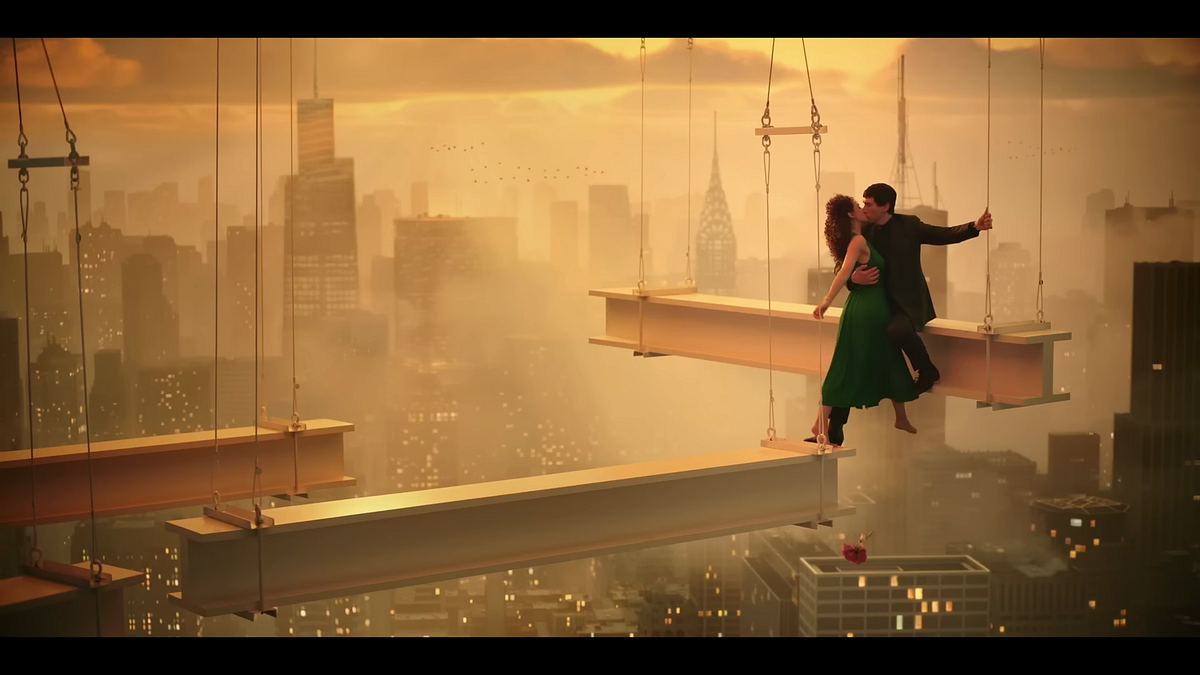
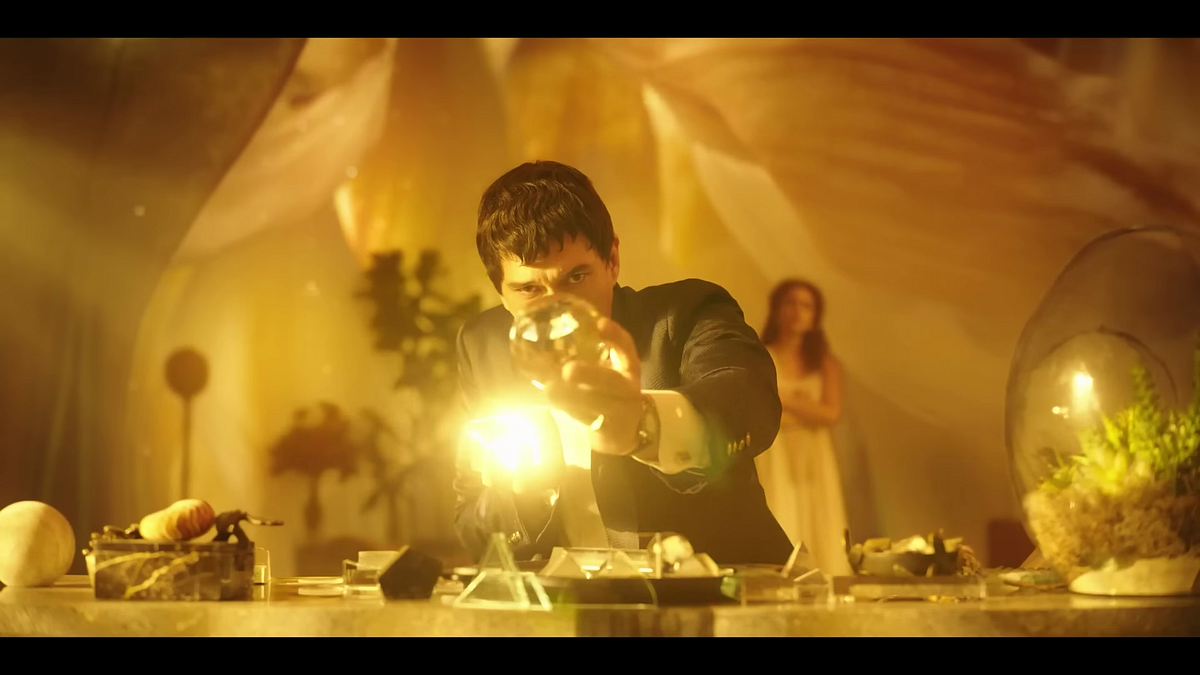
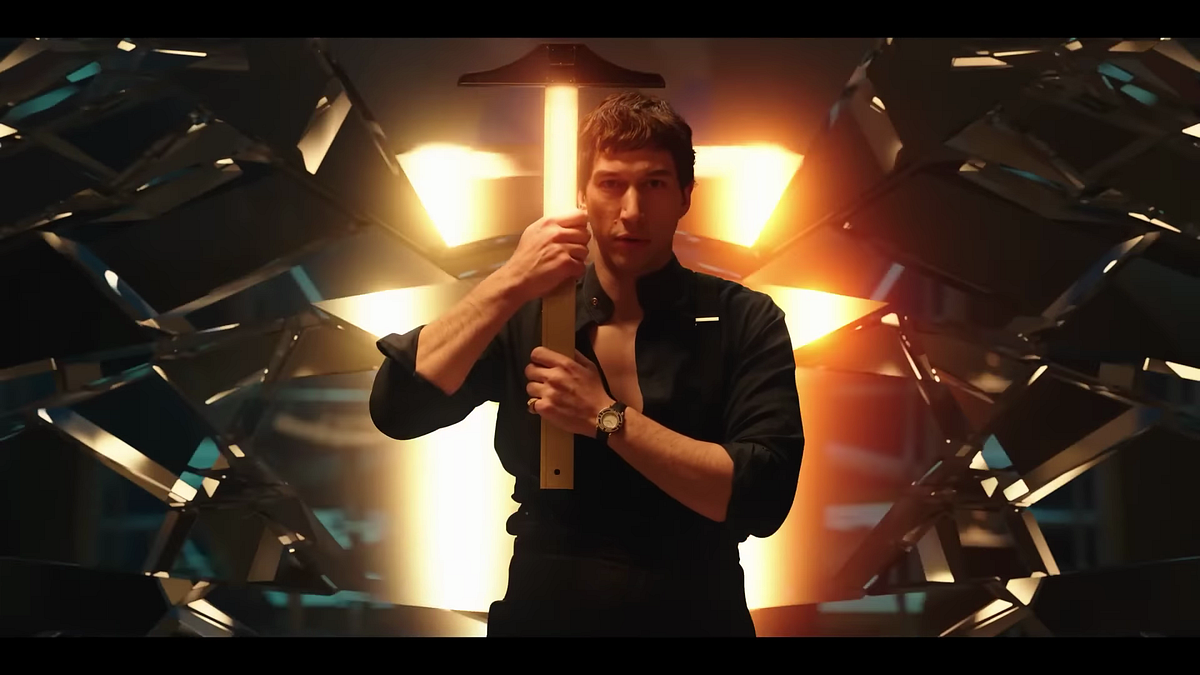
It’s been a funny year for movie watching — the arthouse cinema near me closed down in the middle of the year, which was disappointing. The Odeon over the road still thrives though, so plenty more blockbusters in my future. More than anything else though, my movie-watching has been dictated by the preparation for and arrival of my shiny new baby, which is delightful in most ways but did put a dent in the time I’d previously have used to sneak in the Rebel Moon director’s cuts, which I’ve shamefully still not caught up on.
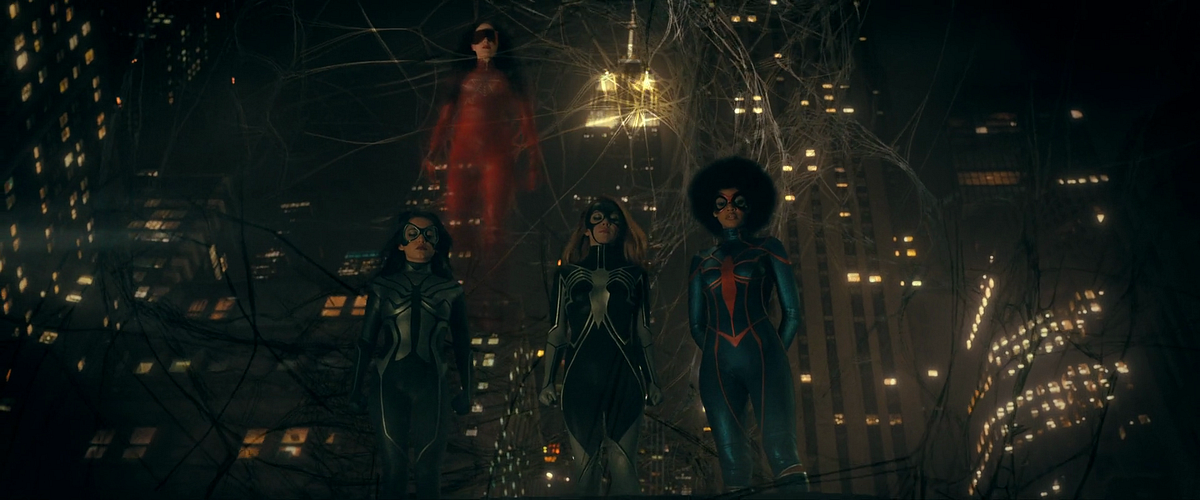
For fun cinema experiences not represented here, I saw Burden of Dreams at a small cinema in downtown Las Vegas while I was over there on my second trip of the year, using a giant spanner to adjust the big bolt that keeps the Sphere from floating off. I think that was about it — I saw Beekeeper, Madame Web, Love Lies Bleeding and Megalopolis on the big screen, all of which benefitted from it (Madame Web in particular was something of an impromptu private screening). Hopefully next year I can muscle in on the baby viewing game — there’s a cinema a short drive away where they’ll bring you a cake while you and the little one watch, which sounds pleasant.
Without further adieu, the list. It’s ‘new releases’ ranked, for a definition of that which includes everything since my 2023 review and a few more that I just felt like fitting in.
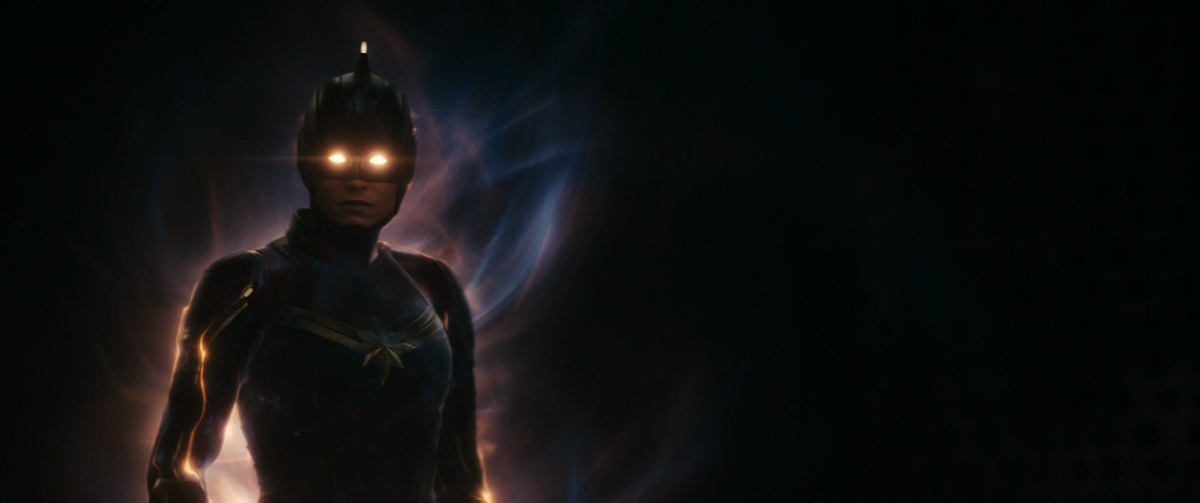
24. The Marvels
An absolute hangover from last year, a tombstone movie for a dead era of Disney-Marvel which fails at almost everything it attempts. A shame as it’s hung on a trio of decent lead performances but I’ve not thought fondly of this once since seeing it.
23. Watchmen: Chapter One
A tepid adaption of the graphic novel which hews even more close to the source than the famously meticulous Snyder film. The only real adjustments made are to bowdlerise it, so lines that are paced well on page become slugging, leaden scenes on screen.
22. Emilia Pérez
This did not work for me at all, which is a shame because I know a lot of people have highly rated it (and it’s got awards buzz, whatever that means.) I’ve seen a bunch of variations on the black comedy/musical combination, some that work (Dear Evan Hansen stage musical) and some that immediately collapse under their own contradictions (Dear Evan Hansen movie) and this just ended up more the latter for me.
21. The Caine Mutiny Court Marshall
In his documentary Reel Bad Arabs, Jack Shaheen calls Friedkin’s Rules of Engagement the most racist film ever made against Arabs. Impossible to forget that watching the climax of this, a weepy-eyed polemic on behalf of America’s mid-2000s adventurism in the Middle East. Soured the whole film.
20. Hit Man
Fine, funny, forgettable.
19. Argylle
Who is the real Agent Argylle? Ironically something of a return to form for Matthew Vaughn after some wobbly Kingsman entries, this outstays its already limited welcome and then some. You spend the first half thinking “this isn’t so bad” and the second half thinking “please end”.
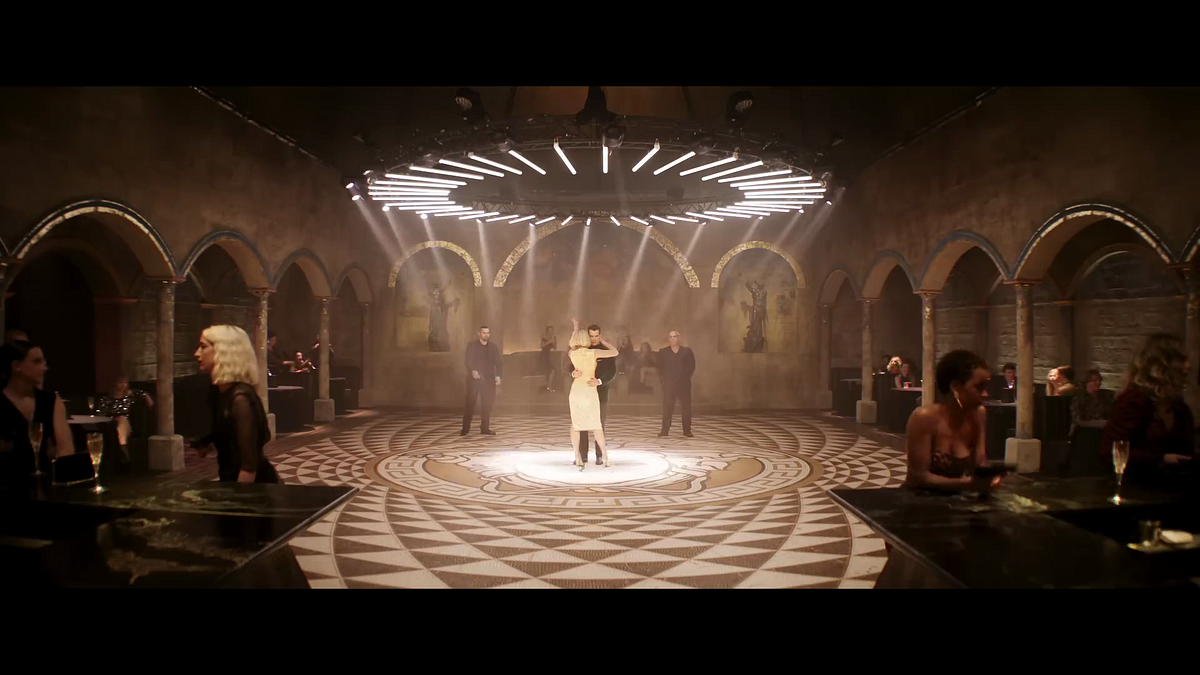
18. Madame Web
Her web truly does connect us all. If you want this year’s Suicide Squad, look no further: the seeds of greatness are here, in this film nobody asked for and nobody wanted. Dakota Johnson is magnetic as the titular weird little gremlin woman forced by fate to creepily abduct three teenagers. Every frame of this film is a testament to how something went down here, and hopefully one day we’ll find out what.
17. The Instigators
It’s a buddy comedy farce with Matt Damon and Casey Affleck, who have enough chemistry to keep it watchable. Will mostly remember it for the insane BTS video about how they faked all the water in the final sequence.
16. Pathaan
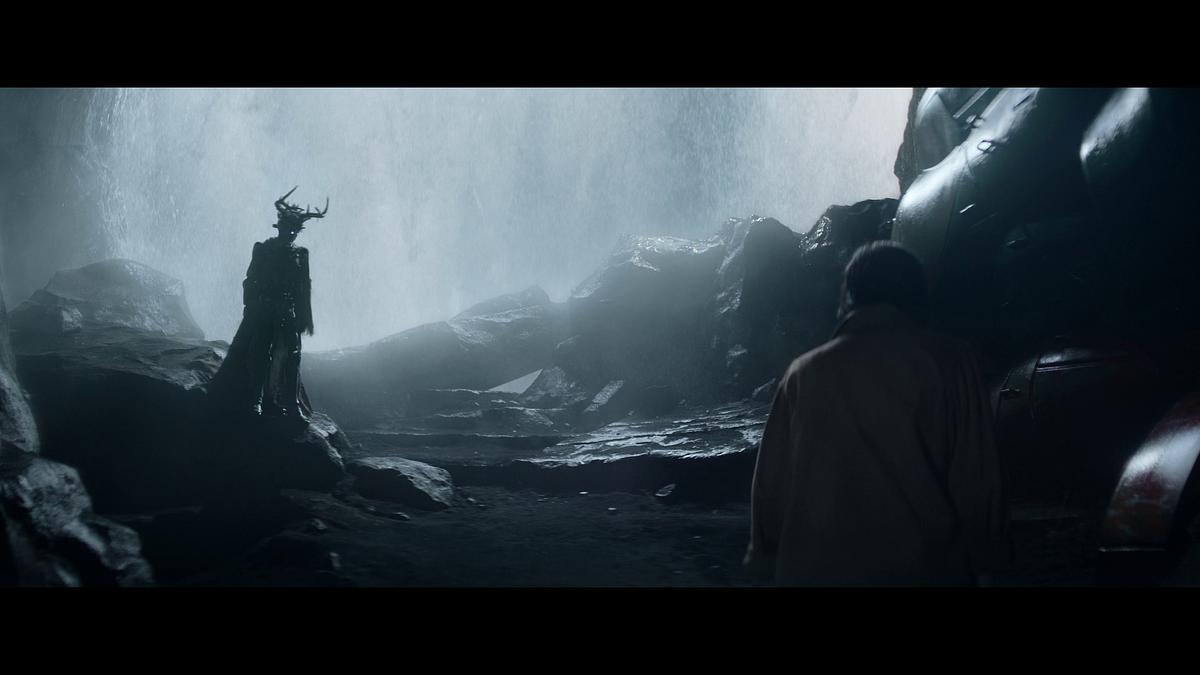
Caught this Indian answer to both Bond and the MCU on a plane — great fun, very silly, some impressive action set pieces (as well as a few that seemed to have not quite worked out) and super interesting to watch soft power cultural chauvinism play out in a totally different context.
15. Rebel Moon Part 2: The Scargiver
I didn’t get to see this second half in the cinema, sadly, so it didn’t have a chance to wow me with the big screen visuals like the first. On top of that, it was chased up by the director’s cuts which are on all accounts superior, but I wasn’t able to pack them into my now baby-dominated schedule. I’m sure they’ll be on next year’s list. Fear not, I am still a died-in-the-wool Snyder Sicko.
14. Rebel Ridge
It’s good, and a very enjoyable watch, and it rightly draws attention to the scummy phenomenon of civil forfeiture, and Aaron Pierre has buckets of screen presence, I just expect a bit more from Jeremy Saulnier, the guy who directed Blue Ruin and Green Room. Feels like he was aiming for a broader appeal and just sanded a bit too much of his style away.
13. Poor Things
Still unsure what to make of Yorgos Lanthimos’ end-2023 sprawl of gothic steampunk and proto-feminism. Many excellent elements somehow fail to come together to produce something truly excellent, despite a stout lead performance by Emma Stone and a scene-stealing impresario in Mark Ruffalo.
12. Unfrosted
Jerry Seinfeld, I am horrified to say, is an auteur. A dispatch from an alien world in disguise as a comedy of the grotesque. Essential viewing.
11. Dune: Part Two
This is far too low for Villeneuve’s middle entry into what will be a trilogy of Dune films; having read Dune Messiah earlier this year I can see why he considered it a necessary third — it’s basically the climax of the entire first book. Suffers a little as a distinct film from not having much of it’s own setting to introduce; the underground sietches are fine, and Giedi Prime is spectacular, but it’s a small slice of the worldbuilding of part one.
10. Conclave
As with 2019’s The Two Popes, scurrilous little priests bickering and scheming is an easy way to win my affection. Ralph Fiennes stars as the will-he won’t-he Cardinal trying to determine who should be the next Pope, with a pleasing cast of character actors to face off against. Unfortunately there’s a few slightly outlandish elements that are maybe meant to feel destabilising but can only summon bathos. Looks beautiful though.
9. Love Lies Bleeding
I really loved this bouncy, extravagent yet bleak tale of two bodybuilding lesbians and one gross dad. This sort of thing is so often scared to be goofy where appropriate, but the Las Vegas scene here will be sticking with me for a while, as will the [Steven Universe voice] giant woman.

8. Megalopolis
The year’s biggest contradiction in terms, the political thriller with no politics. Francis Ford Coppola spent his own money putting the biggest swing for the fences since Attack of the Clones in cinemas and it’s a truely unique bit of nonsense. It’s genius, it’s beautiful, it’s obviously had to ration the VFX shots and despite being absolutely mad it’s still exactly the film you’d expect Coppola to spend all his money making. Could have been at the bottom of the list, could have been at the top. In the event, it’s here.
7. The Beekeeper
My affection for the work of David Ayer is sealed in blood, sweat and tears of course, but it was still enervating to start the year out seeing him return to mainstream success. The Beekeeper, written by Kurt Wimmer of Equilibrium fame, is a script so silly but self-serious that it hits like alchemy combined with Ayer’s game direction. The rapid-fire shifts between nonsense and hard action seen in films like — for example — Suicide Squad just flies, and Jason Statham (who often seems on a permanent quest for his breakthrough action persona) is exactly the right man to swirl at the centre of it. He’s a Beekeeper, they need to get hit, he’s the man to hit them. All the way to the top.

6. Hundreds of Beavers
Surely not the first film inspired by the mechanics of a video game, or the comedic flow of a Let’s Play, but definitely the most successful. The Minecraft film is unlikely to capture the agonies of progression half as well as this did. An inspirational piece of low-budget filmmaking and genuinely funny to boot.
5. Ferrari
If only Signor Ferrari would attend to business matters and not be so fixed on racing! This was a very pleasant surprise, an exacting character study shared between Penelope Cruz and Adam Driver as Laura and Enzo Ferrari. Death — and the spectre of the war — is so omnipresent that no-one blinks an eye as another test driver careens off the track to his doom. Ferrari has races to win.
4. The Holdovers
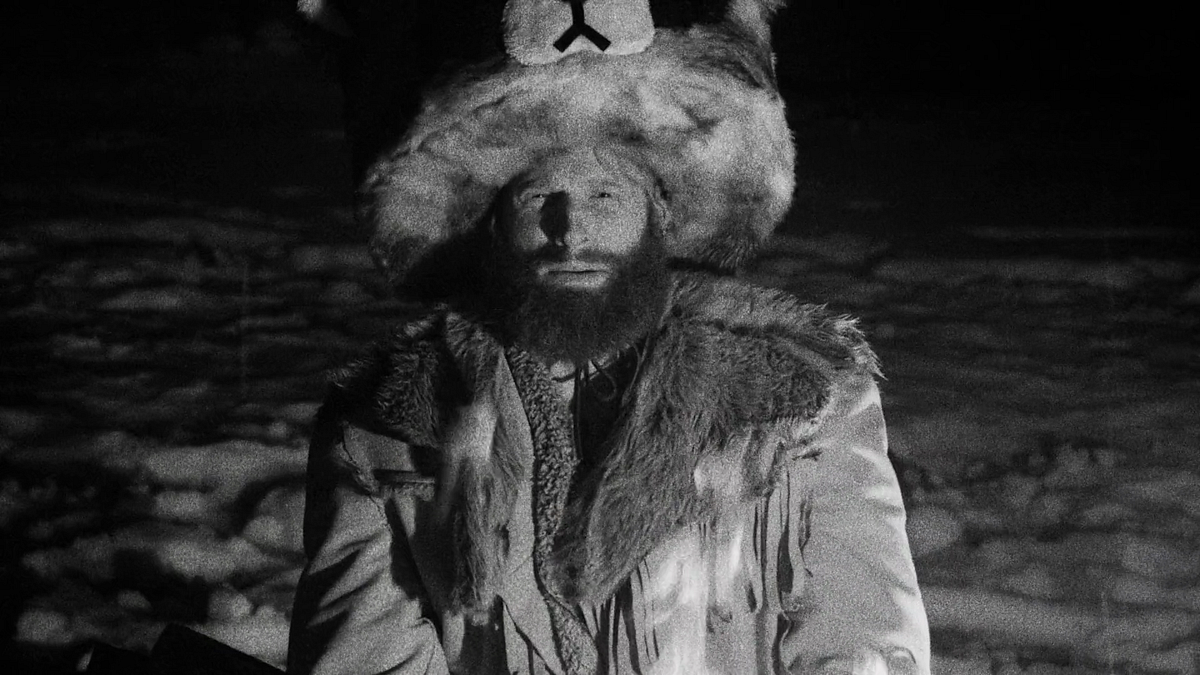
Dragged across from 2023 is this instant Christmas classic, where frustrated schoolmaster Paul Giamatti must face down the holiday period responsible for Dominic Sessa’s troubled young man, with only Da’Vine Joy Randolph’s school cook to mediate. Deeply funny and affecting; the scene where Sessa visits his father is heartbreaking.
3. Anatomy of a Fall
Another holdover from 2023, you know Anatomy of a Fall is going to be genius from the moment that steel drum hits. Sandra Hüller is magnetic as the frosty professional writer accused of killing her talentless partner, summoning great oceans of displeasure in just sitting still with a neutral face. Alongside everything else, a fascinating insight into the French legal system.

2. Furiosa
Highly anticipated, I thought this was an astonishingly confident follow up to Fury Road, and a contribution that would enhance that film on a viewing of the pair together. Miller’s action sandy action set pieces are unlike anything else still being attempted, but for me the highlight of the film was the climax: an intense, intimate meditation on the utility of revenge and how any one person can be responsible for a whole world of shit.
1. I Saw the TV Glow
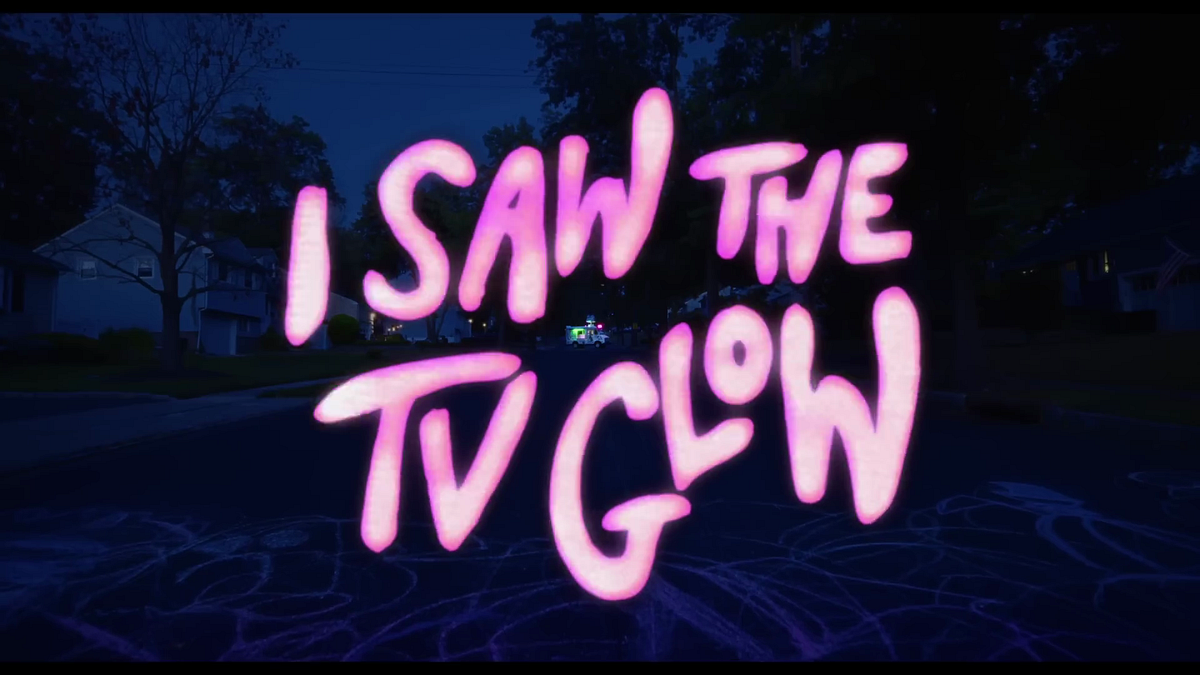
Speaking of poor viewing conditions, surely the best movie I have ever watched on a plane. Making it all the more impressive that this is sitting at number one! It’s such a slight thing as well, with a consciously truncated third act that leaves you screaming at the screen for more. A worse movie would feel unfinished or unsatisfying, but I Saw the TV Glow is filled with just enough absolute despair — and just enough brilliant hope — that all you want to do is experience it again.
Still on the docket —
- Trap: I haven’t seen anything from the M. Night Shyamalan renaissance, hoping to give this a go.
- Kinds of Kindness: Didn’t manage to find time for this Lanthimos follow-up.
- The Substance: I’m not generally a horror person but this had great buzz at the end of the year.
- Rebel Moon Director’s Cuts: Netflix’s decision to break this film into four indisputably a swing and a miss. I liked the theatrical cuts more than most but the red meat is meant to be in these extended versions.
- Joker: Folie à Deux: No film that makes people this upset can have nothing going for it.
- The People’s Joker: Vera Drew absolutely living the dream, giving two fingers to the notion that you can own pop culture and taking it all for herself. Sadly not out in the UK yet.
- The Boy and the Heron: I’ll be straining credulity including this in the 2025 list.
- Challengers: I will watch the sexy tennis love triangle movie.
- Deadpool and Wolverine: I just think I’m better than this.
If you like my writing, please watch my video essay The Fanatic, available now with a short companion essay kindly published by Blood Knife. If you’re after more text, please follow me on Medium or subscribe to my Letterboxd reviews.